By, Imran Ssemuddu
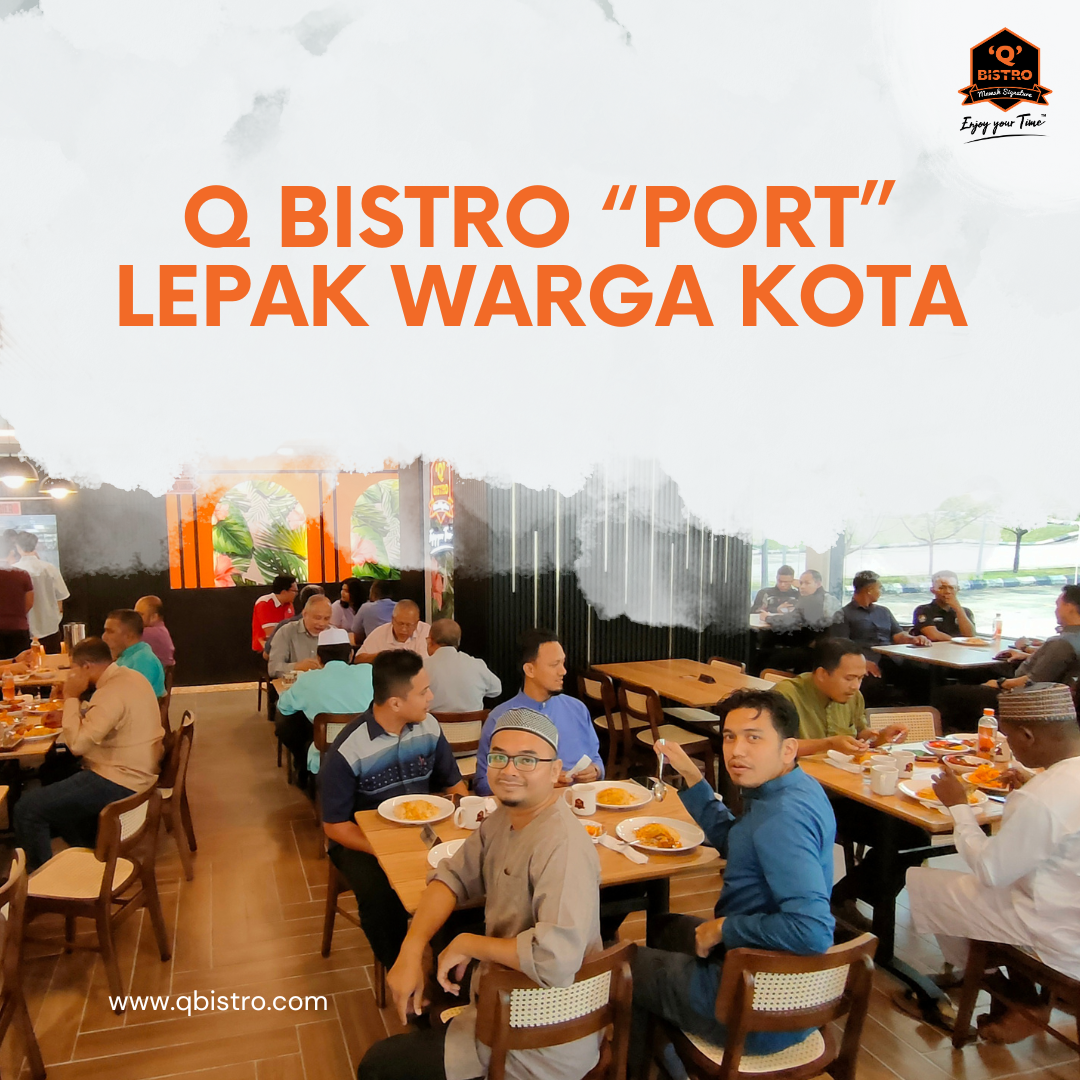
After my usual visits to M Kamal Hassan Library, I passed by Q Bistro restaurant in Taman Melati just a stone throw from IIUM, Gombak campus. The place was filled with a air thick aroma of teh tarik and buzzing conversations among the diners I found. It is here, amidst the clinking of tea cups and the lively chatter, that I find the heart of our discussion. Political efficacy, in simple terms, refers to the belief that your voice genuinely matters. When you believe that your government will act on issues that concern you, then you have external political efficacy. On the other hand, internal political efficacy refers to having confidence in your ability to understand and participate in politics. On the other hand, populism can be defined as the champion of the “common people.” This phenomenon strives to appeal to the ordinary citizen. This ideology is gaining traction, particularly among Malaysian youth. A generation armed with smartphones and social media is shaping the nation’s future through charismatic establishments of the digital era. It is prudent to explore the interplay of political efficacy and populism among Malaysian youth, using wit, satire, and philosophical narrative to scrutinise this dynamic.
Malaysia’s political landscape has experienced significant shifts since its independence from British rule in 1957. History has it that Malaysia is generally characterised by periods of stability and a few moments of turmoil. The political stability has led to the development of political efficacy alongside the changes in the socio-political atmosphere. In the early years of independence, there was a strong sense of national unity, which led to the Federation of Malaysia (1963). A few years later, Singapore was expelled in 1965. As Singapore went its separate ways, it has witnessed immense growth into a modern, vibrant country. Malaysia, too, has modernised, and new voices have emerged, calling for greater participation across all races and regions. Populism, too, has taken various forms. We have seen leaders who connect with the people, promising change and challenging the status quo without any prejudice.
Malaysian youth are not a monolith. Many have gained interest and political knowledge through new media outlets, and therefore can evaluate what is discussed with a few outraged young people using the term rakyat tak bodoh. This means they are not easily being fooled by politicians. Some feel empowered, believing their actions can make a difference. They participate in online activism, join protests, and engage in political discussions. Others are more cynical, feeling that their voices are lost in the noise. Factors like education, socio-economic status, and access to information play a significant role in shaping their views. Social media has become a powerful tool, both for spreading awareness and for creating echo chambers thus increasing digitalisation of everything in the socio-political environment.
After the general elections in 2018, there was a growing populist appeal among the young people in Malaysia. This wave of political stance was celebrated as a historic change which brought a surprise end to the dominance of BN (Barisan Nasional) and UMNO (United Malays National Organisation). Populism often resonates with youth who feel left behind in several aspects of life, socially, economically and politically. Economic inequality, corruption, and social injustice are the main drivers in societies where populism is associated. Interestingly, the majority of the populist leaders offer simple solutions to complex problems, promising to “drain the swamp” and put the people first. An example is IIUM alumnus and former youth minister, Syed Sadiq bin Syed Abdul Rahman. The other more well-known populist is Tun Dr. Mahathir Mohamad, a loyal son of the soil and a strategically influential leader. In Malaysia, where ethnic and religious identities are often politicised, populism has been exploited along these divisions to influence policies, secure political support and also genuinely manifest ideologies.***
(Br. Imran Ssemuddu is a PhD student in the Department of Communication, AHAS KIRKHS, IIUM.)

- Knowledge Transfer on Stingless Beekeeping and Downstream Product to Empower the Communities - August 3, 2026
- Growing Together: How IIUM and Kebun Bandar Sungai Bunus Cultivate More Than Just Green Spaces - August 3, 2026
- Khalifah Nisa’: Reclaiming Women’s Role as Guardians of Creation - August 3, 2026