By, Dr. Adibah Amir
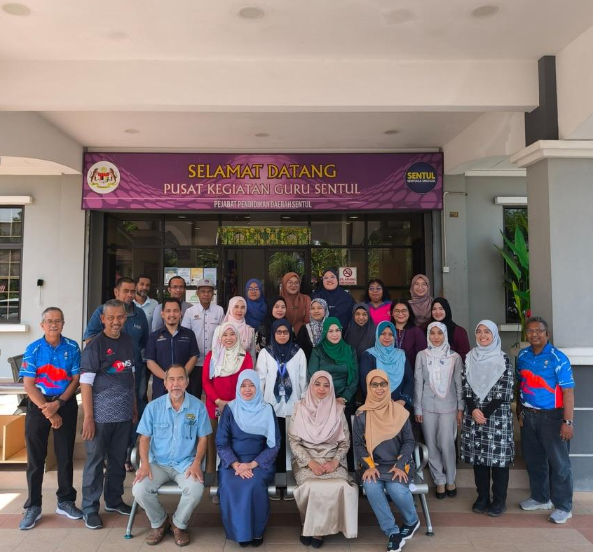
As cities grow denser and green spaces shrink, urban sustainability initiatives are becoming increasingly vital. From rooftop gardens to community farms, innovative practices are reshaping how urban dwellers connect with nature and secure alternative livelihoods. In this spirit, on 18 August 2025, an urban stingless beekeeping course was held at Kebuniti, hosted by the Pejabat Pendidikan Daerah Sentul Zone Kuala Lumpur. The programme, though modest in scale, introduced a new dimension in empowering urban communities with modern agricultural knowledge. More than just technical training, it carried a larger message: stingless bees , small insects that produce premium honey, can become catalysts for sustainable ecosystems, community education, and alternative economic opportunities.
The course was especially significant given its location in the heart of the city, where green spaces are increasingly constrained by rapid urban development. Such initiatives not only introduce urban communities and younger generations to stingless beekeeping, but also highlight the potential of cities as spaces for urban farming, lifelong elarning, and restoring the human-nature relationship.
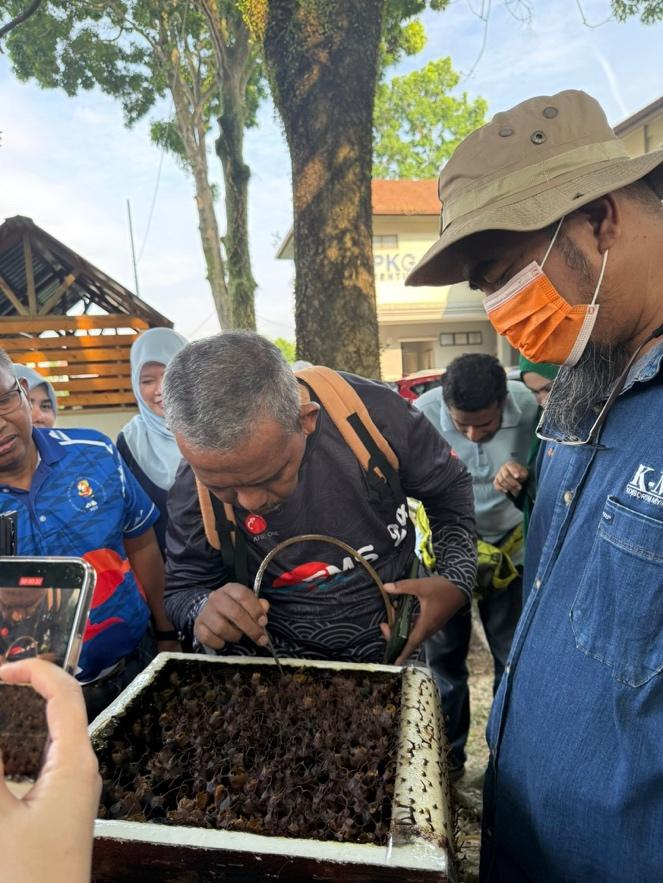
Kebuniti emerged as a fitting platform by combining educational, community, and economic functions. Supported by the 2023 Kuala Lumpur Low Carbon Community Grant (DBKL) and implemented through a collaboration of academia, NGOs, and industry, namely International Islamic University Malaysia (IIUM), Permuafakatan Ibu Bapa Prihatin Zon Sentul and Madu Iqra. The initiative reflects DBKL’s strong commitment to advancing low-carbon, community-driven programmes in the city. The course went beyond technical training. Participants not only learned colony care and honey harvesting but also embraced lifelong learning, as teachers, PPD workforce, and community members shared knowledge and built bonds through this collective effort.
From an Islamic perspective, the initiative reflects the principles of maslahah (public benefit) and sadaqah jariyah (continuous charity). Stingless bees provide not only nutritious honey but also support plant sustainability through pollination. As long as these benefits persist, the good deeds of those involved continue to multiply.
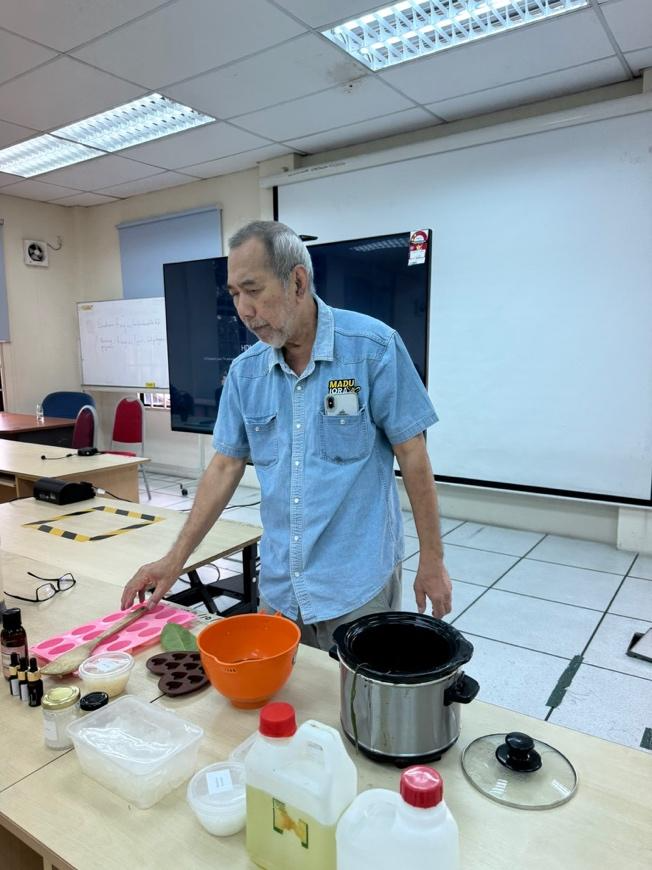
Importantly, the programme also opened pathways for new economic opportunities. Participants gained health literacy by learning to distinguish authentic honey sourced from diverse flora cultivated at Kebuniti. The course further highlighted downstream products such as skincare made from stingless bee honey, encouraging smart agriculture and practical processing techniques. Products like home-made honey soap cleansers, have the potential for commercialization for consumers looking for natural products, contributing to local circular economies.
In essence, the urban stingless beekeeping course at Kebuniti represented more than technical training, it symbolized hope for a more balanced urban future. If scaled, such initiatives could transform Kuala Lumpur and other cities into sustainable “green cities” that are competitive, resilient, and community-driven.
Dr. Adibah Bt. Amir is an Assistant Professor from the Department of Manufacturing and Materials Engineering, Kulliyyah of Engineering, International Islamic University Malaysia.***

- Knowledge Transfer on Stingless Beekeeping and Downstream Product to Empower the Communities - August 3, 2026
- Growing Together: How IIUM and Kebun Bandar Sungai Bunus Cultivate More Than Just Green Spaces - August 3, 2026
- Khalifah Nisa’: Reclaiming Women’s Role as Guardians of Creation - August 3, 2026