By, Nur Fathin Shuraiya binti Mamat
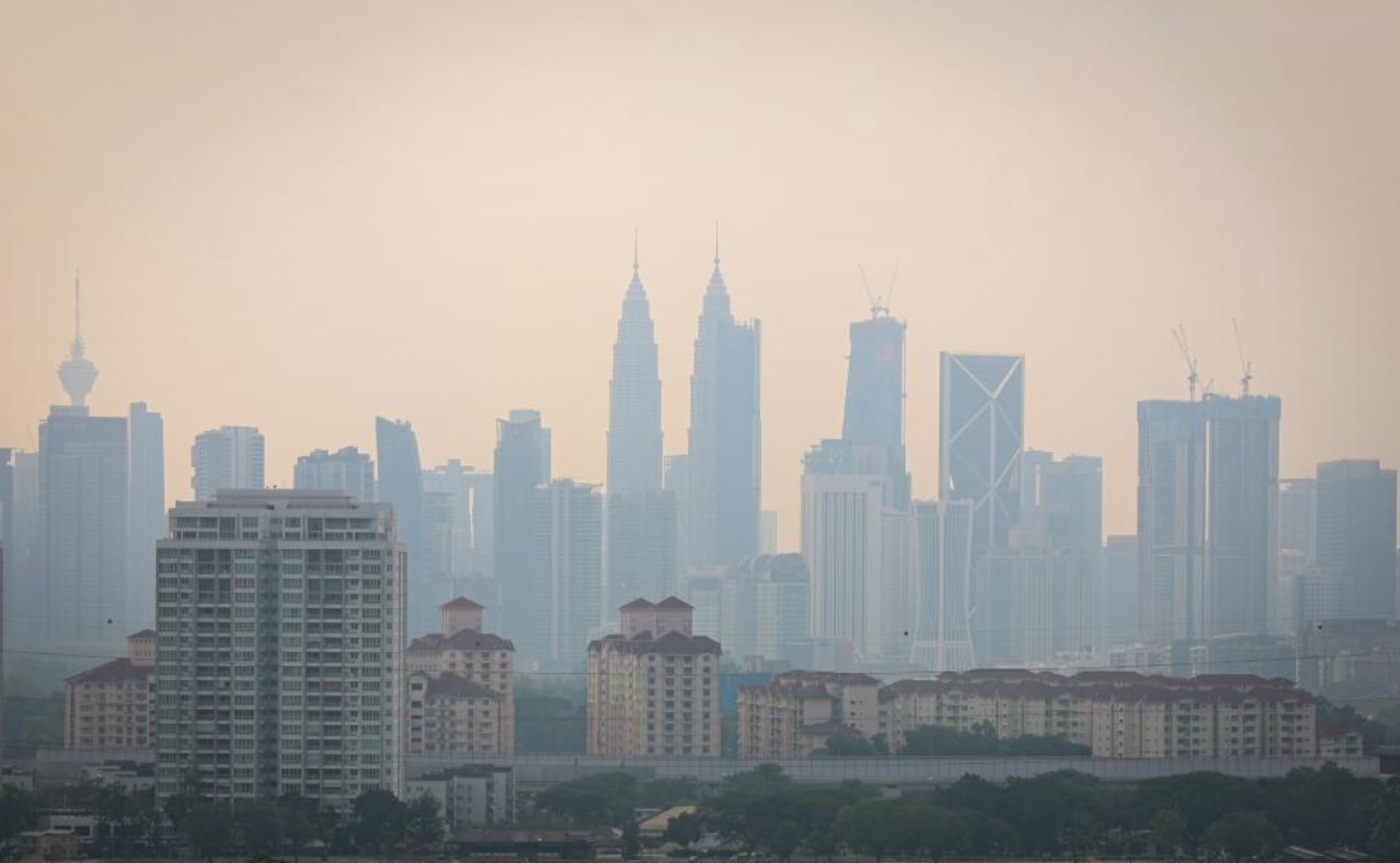
According to the World Health Organisation in 2019, air pollution is contaminated air that contains dangerous substances such as carbon monoxide, ozone, nitrogen oxides, black carbon, and sulfur dioxide which can be serious threats to human life. Although some forms of air pollution such as factory smoke or forest fires are visible to the naked eye, others remain critically invisible yet so dangerous. The recent incident of the gas pipeline explosion in Putra Heights, Malaysia is a reminder of how vulnerable poor air quality is to public harm, the toxic gases were unfortunately not detected in this case.
Air pollution is not a rare or distant problem, it is a pressing threat to our current environment. Tackling it takes a lot of enthusiasm to look at its root factors. The most major cause is obviously vehicular emissions, mainly in urban areas like Selangor and Kuala Lumpur in Malaysia. Although the availability of public transportation in Malaysia is already high enough, many still choose to drive their vehicles to work. According to the research by Kanba et al. published in 2007, 44.1 percent of the respondents go for cars with the excuse of reducing time travel. With that being said, that particular choice seems to have a big effect on the human respiratory system as well as the environment. Industries and construction activities also play a major role in cities, especially Shah Alam, where the factory emissions are sky-high. Besides, open burning is often illegally conducted by most people which then further leads to a higher pollution level to the environment and needs to be followed by legal actions from the authorities to combat this issue.
The effects of air pollution are extensive and shattering. To humans, it causes severe respiratory problems like asthma and bronchitis. As we breathe the air, the harmful substances will enter our lungs and irritate the airways. According to the National Health Morbidity Survey published in 2011; as cited in Ab Rahman et al. in 2024, asthma prevalence is estimated to be between 8.9 percent and 13 percent in Malaysian children and 6.3 percent in adults. Vulnerable groups like the elderly, especially those with pre-existing diseases, are mainly at risk, as it can furtherworsen their health. Other than humans, the environment is at risk too. Aquatic life is suffering from the acidic lakes and streams while the wildlife near the polluted air is in discomfort with their breathing. Crops such as soybeans and wheat become more vulnerable to diseases and will produce lower yields. Essentially, we are unconsciously killing the mother nature that sustains us.
But nothing is impossible as we can change this. As citizens, we should be responsible as an individual who lives on this earth. We can reduce the usage of cars and ride public transport instead. In Malaysia, especially in KL, the system of public transport has been widely used and implemented by the government, such as LRT and MRT, Grab, Maxim, Monorail, and many more. No excuses can be made to say that there is a limitation to public transport in our country, while the reality is said differently. Additionally, initiatives like planting trees in a garden can help absorb carbon dioxide and restore the natural balance of the environment. This might seem like a small step but as long as we’re still going, slowly, it will make a significant impact in the future without us realizing it.
In a nutshell, Malaysia’s goal to tackle air pollution by 2030, is not just a wildest dream, but a necessity. But it cannot be a reality with government enforcement alone, it must also be followed by a cultural shift on how we live and value our environment. Every single choice that we make, whether it is riding public transportation instead of our cars, planting a tree in our gardens, or holding industries accountable, every step is leading to better outcomes for our health, air, and future. Let us not wait for the air to be fully unbreathable to finally make a move. Together, we can start to make a change, with unified effort and awareness, Malaysians can breathe clean by 2030.***

- Knowledge Transfer on Stingless Beekeeping and Downstream Product to Empower the Communities - August 3, 2026
- Growing Together: How IIUM and Kebun Bandar Sungai Bunus Cultivate More Than Just Green Spaces - August 3, 2026
- Khalifah Nisa’: Reclaiming Women’s Role as Guardians of Creation - August 3, 2026