By, Yasmien Hanis
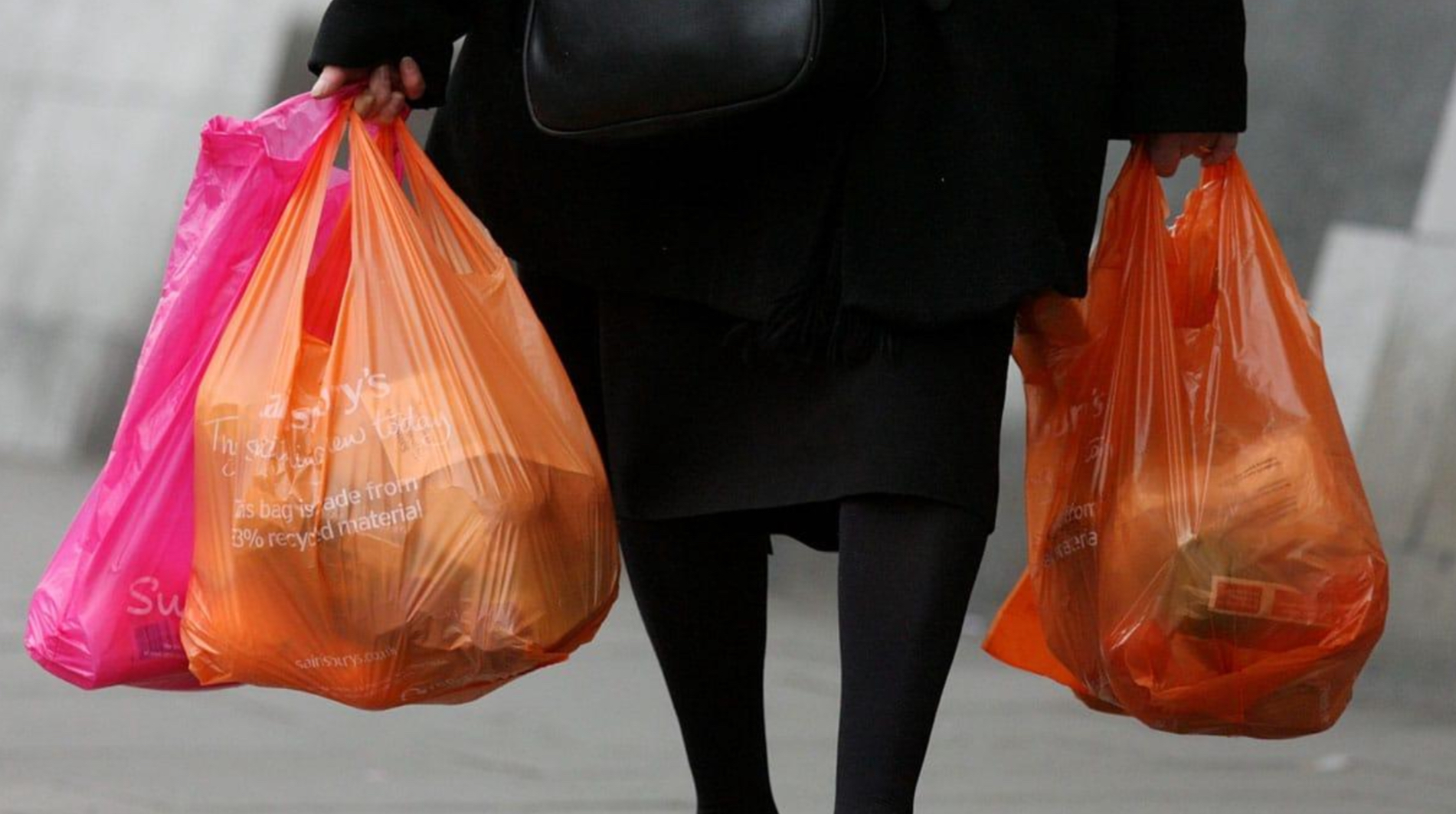
People nowadays are addicted to using plastic bags in their daily routines, especially for grocery purposes, due to their convenience as they are lightweight, durable, and waterproof. It is much easier for them to keep and reuse the plastic bag for carrying heavier or larger items, as mentioned by Olivia C in a 2024 publication. Despite their convenience, the lower and cheaper production costs led to their widespread usage, especially in retail and grocery stores, where businesses aim to minimise costs.
Nevertheless, this widespread usage of plastic bags comes with serious environmental responsibilities that are often neglected by the public. Research by Chamas et al. published in 2020 indicates that the different types of plastic require vastly different amounts of time to decompose, depending on their thickness and the environment. For instance, Low-Density Polyethylene (LDPE), which is commonly used in plastic bags, takes about 2.3 years on land and 3.4 years in marine environments to break down, but it is not biodegradable and may contribute significantly to long-term pollution if not disposed of properly.
High-Density Polyethylene (HDPE) used in plastic bottles degrades around 250 years on land and 58 years in the ocean, and may take up to 5,000 years for thicker applications like pipes to degrade on land and 2,300 years in the marine environment. The long time of decomposition may lead to serious environmental challenges, particularly in marine environments.
In contrast, Polylactic Acid (PLA) or biodegradable and made from renewable resources, making it more sustainable. It decomposes faster in industrial composting conditions with an estimated half-life of 21 years but decomposes more slowly in marine environments with around 7.5 years due to the lower temperatures and less microbial activity.
Therefore, despite its limitations, biodegradable plastic is the most suitable and can be regarded as the most sustainable alternative to conventional plastics, especially for industrial use, as it is derived from renewable resources, reduces long-term environmental pollution, and promotes a healthier ecosystem for future generations.
Apart from that, due to the widespread of plastic bags in our country, with the lack of awareness and common sense among individuals regarding the consequences of improper disposal, many of these plastic bags end up being thrown in the rivers and eventually the sea. This type of behaviour significantly contributes to the degradation of marine systems.
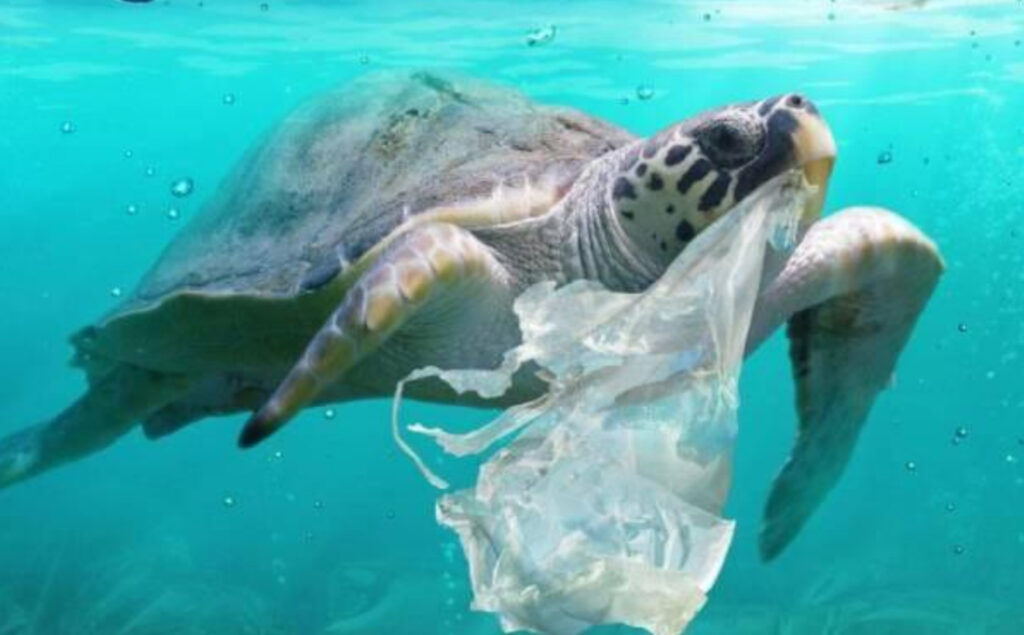
For example, the Terengganu Fisheries Department recorded 31 sea turtles deaths in the first three months of 2022. One of the contributing factors of course the marine pollution particularly plastic waste. Sea turtles often mistake floating plastic for jellyfish, their natural prey. Ingesting these plastics can result in the blockage in their digestive systems, ultimately causing starvation and death.
This reported issue clearly highlights the severe impact of plastic pollution on marine life. The ingestion of plastic waste by sea turtle is a direct effect of improper plastic disposal. Hence, addressing plastic pollution is very crucial in not only to protect land environment but to preserve marine biodiversity.
Last but not least, several well-known consumer retailers such as NSK, Mydin and Watson have already shown their commitment to achieve zero plastic use by 2030. They have stopped providing plastic bags to customers now and require customers to bring their own bags. This initiative can significantly reduce plastic waste and raise public awareness about the importance of sustainable practices.

Hopefully, such efforts will inspire other companies to implement eco-friendly practices for the benefit of the environment. If more businesses and corporations adopt similar initiatives, we can build a more sustainable future and achieve the goal of a Zero Plastic Malaysia by 2030.***

- Knowledge Transfer on Stingless Beekeeping and Downstream Product to Empower the Communities - August 3, 2026
- Growing Together: How IIUM and Kebun Bandar Sungai Bunus Cultivate More Than Just Green Spaces - August 3, 2026
- Khalifah Nisa’: Reclaiming Women’s Role as Guardians of Creation - August 3, 2026