By, Ahmad Hakim Hassanuddin
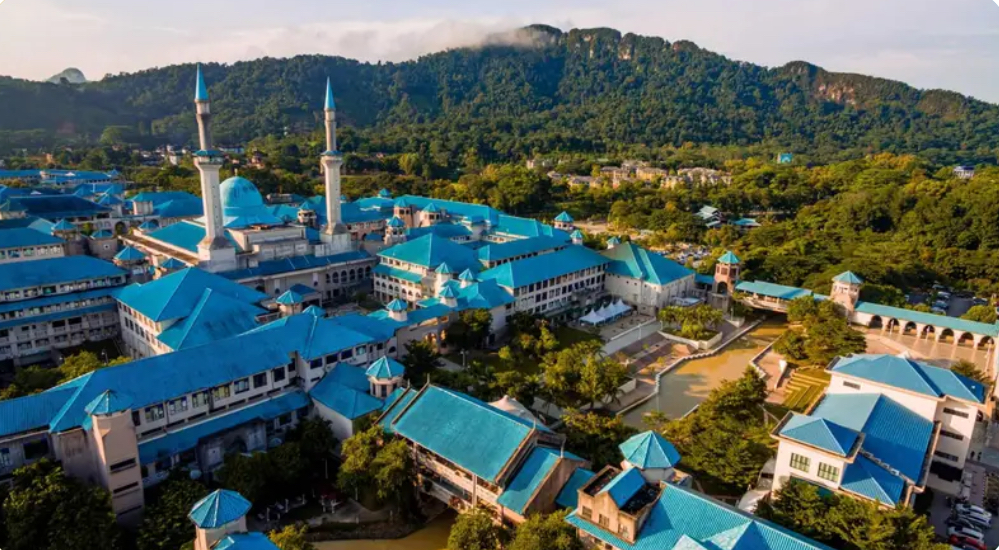
GOMBAK, 23 May 2025: Situated in the heart of Gombak is a university which is not just shaping minds but shaping a sustainable future. The International Islamic University Malaysia (IIUM) is emerging as one of the key movers in the country to lead initiatives addressing the United Nations’ Sustainable Development Goals (SDGs), by integrating environmental consciousness and social responsibility with campus culture, education, and leadership.
With its lead mission statement, “Garden of Knowledge and Virtue,” IIUM has committed to making that metaphor a reality in environmental action in the real world. The university has been awarded the Green Gown Award in 2022 for sustainability leadership in higher education and is the first Malaysian university to have been awarded this global honor. From green buildings and solar buildings to community-driven projects such as zero-waste bazaars and green mosques, IIUM is demonstrating that sustainability can be firmly rooted in both Islamic heritage and modern environmental science.
One of the IIUM’s most impactful initiatives is the Sejahtera Centre for Sustainability and Humanity, which is leading campus-wide efforts for the SDGs, particularly SDG 4 (Quality Education), SDG 11 (Sustainable Cities and Communities), and SDG 13 (Climate Action). The Centre collaborates with the local government and NGOs to implement urban agriculture, water-saving technologies, and environmental education programs. Besides infrastructure, IIUM integrates sustainability into the curriculum as well, with student projects and courses examining environmental ethics, Islamic perspectives on sustainability, and sustainable development in the Global South.
But IIUM is not alone. Across Malaysia, a growing number of universities are rising to the challenge of embedding SDGs into higher education. Universiti Malaya (UM), the nation’s oldest university, ranks among the top in Asia for sustainability efforts. Its UM Eco-Campus Blueprint outlines a comprehensive plan to achieve carbon neutrality through strategies such as green transportation (electric buses and bicycle lanes), rainwater harvesting, and energy-efficient infrastructure. UM’s Green Office and Zero Waste Campaign have also contributed to a significant reduction in single-use plastics on campus.
Meanwhile, Universiti Teknologi Malaysia (UTM) in Skudaihas has taken the lead in green technology research through its Sustainable Campus Program, which includes solar panel deployment, green building certifications, and a recycling system on campus. UTM’s collaboration with the Ministry of Energy Transition and Water Transformation (PETRA) places its students at the forefront of climate policy and energy innovation.
Universiti Sains Malaysia (USM), or the country’s APEX (Accelerated Programme for Excellence) university, has fully linked its mission to the SDGs. USM’s Campus Sejahtera effort focuses on building an eco-equilibrium system that promotes environmental, economic, and social well-being. From student-led mangrove conservation initiatives to innovations like biodegradable packaging, USM student activities embody SDG 12 (Responsible Consumption and Production) and SDG 15 (Life on Land).
These universities are also driving change beyond their campuses. Through public lectures, youth movements, and community partnerships, they’re teaching students as sustainability ambassadors. IIUM, for example, conducts weekly Sejahtera Leadership Training and SDG hackathon sessions, which allow students to develop solutions to real problems from waste management in urban apartments to solar lamps for Orang Asli villages.
Despite the positive trend, there are still challenges. Constraints in funding, uneven implementation of policies, and environmental ignorance among certain student groups continue to slow progress. However, the growing number of Green Campus Coalitions, aided by the Ministry of Higher Education, is helping institutions to disseminate best practices and create a culture of accountability and ambition.
As Malaysia makes its way to its own sustainability targets—net-zero carbon by 2050—universities like IIUM, UM, UTM, and USM are proving that campuses can be more than just seats of learning, but workshops of eco-friendliness. They show that the journey to a cleaner future must start with the younger set—and that journey starts at school.***

- Knowledge Transfer on Stingless Beekeeping and Downstream Product to Empower the Communities - August 3, 2026
- Growing Together: How IIUM and Kebun Bandar Sungai Bunus Cultivate More Than Just Green Spaces - August 3, 2026
- Khalifah Nisa’: Reclaiming Women’s Role as Guardians of Creation - August 3, 2026