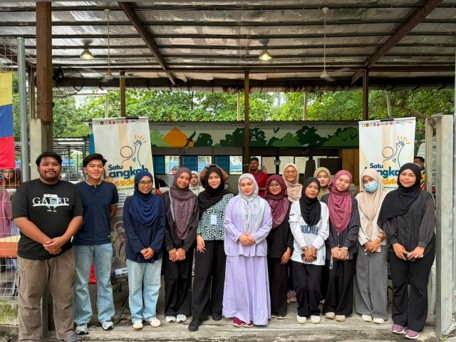
By Dr. Sh. Fatimah Alzahrah Binti Syed Hussien
This semester, students enrolled in SOCA 4330: Rural and Urban Society at the
Department of Sociology and Anthropology, IIUM, took part in a Collaborative Online
International Learning (COIL) initiative. As an instructor, watching students step out of their
comfort zones, challenge their own assumptions, and apply classroom theories to real,
everyday communities is not only rewarding, but it is an essential part of preparing them for
life after graduation.
Over the first eight weeks of the semester, 35 of our students partnered with peers from
Northern Michigan University (NMU) enrolled in GC 269: Introduction to Sustainability
under the instruction of Dr Jelili Adebiyi. Together, they formed cross-border research teams
to investigate pressing global challenges across four thematic areas: Urban Food Waste,
Climate Change and Community Well-Being, Tourism in Rural Communities, and Urban
Gardening. Utilizing digital knowledge exchanges, semi-structured interviews, and field
observations, they compared the sociological realities of Malaysia with those of Marquette,
Michigan.
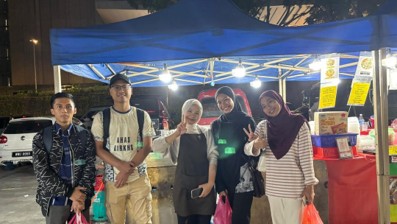
For Dr. Jelili and me, witnessing our students navigate 12-hour time-zone differences and
coordinate research across two countries was exceptionally meaningful. This cross-cultural
exchange proved to be an essential exercise in commitment, collaboration, and leadership.
Hearing their discussions, reflections, and deep curiosity as they unpacked the shared realities
of both societies stood as a beautiful depiction of participatory learning.
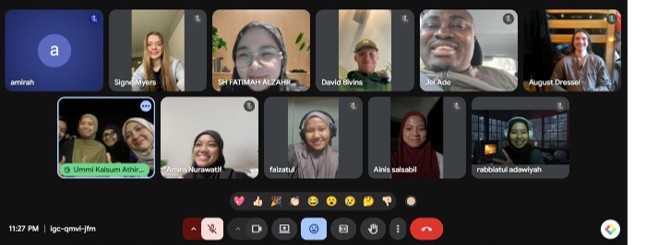
course instructors
From Transcontinental Classrooms to Urban Soil
In the final weeks of the semester, the SOCA 4330 students translated their comparative
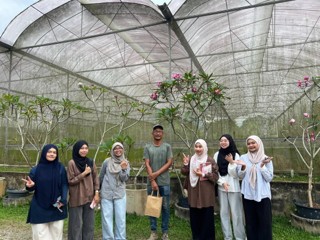
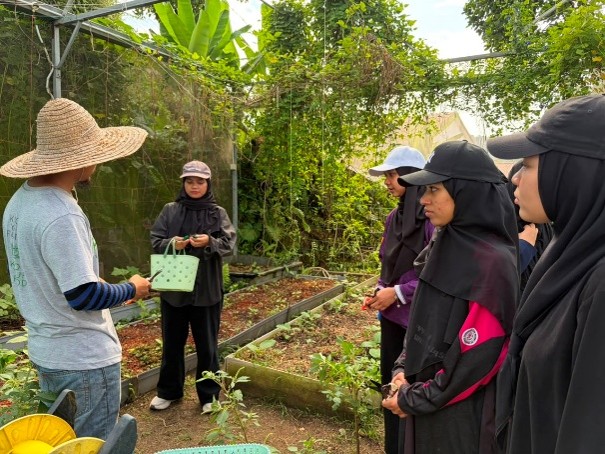
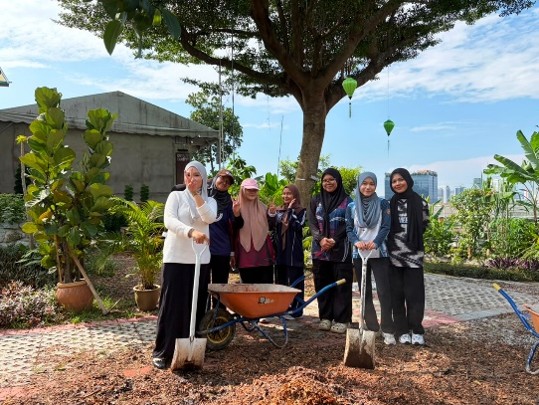
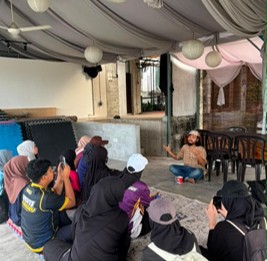
research into local community engagement. One group visited Mukha Tree, an urban
permaculture garden in Taman Tun Dr Ismail (TTDI). The operators warmly welcomed our
students, sharing valuable insights on the work that is done there and the importance of
cultivating “third spaces” to build community cohesion amidst rapid urbanization. This visit
gave students a firsthand look at the practical challenges and successes involved in running a
sustainable community space.
While at the garden, students joined in participant observation- getting their hands dirty, and
interacting directly with those who tend the space, led by Mr. Naz. These experiences
prompted students to think deeply about local food security and the core ethics of
permaculture—care for the earth, care for people, and fair share—which we had previously
explored during our joint webinar with Dr. Jelili Adebiyi and Dr. Sohela Mustari.
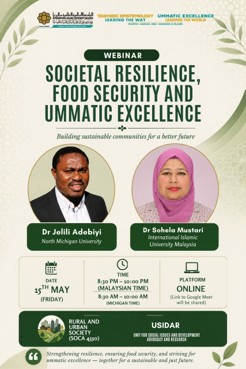
The impact of this visit resonated deeply with the students, bridging theoretical concepts with tangible, community-level action. As one student reflected:
“Our Community Engagement project at Mukha Tree allowed me to put into perspective the role of grassroots initiatives towards contributing to the overarching mission of climate change mitigation and putting forth regenerative consumption practices at the scale that is accessible to ordinary people.”
Beyond ecological sustainability, the field experience illuminated the vital social dimensions of urban permaculture. Another student highlighted how such spaces foster genuine human connection amidst city life, noting that “at the heart of all they do, they show how it is possible to create community in the urban scape, that you can grow your plants and farm even in the middle of concrete jungles.”
Engaging Marginalized Realities: Transdisciplinary Learning at Medan Tuanku
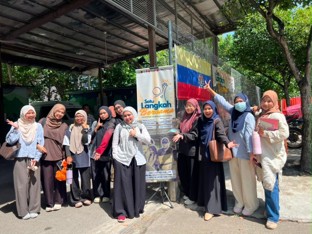
A second group of students contributed to an initiative at Medan Tuanku as part of the two week long Program Selangkah Bersama, working alongside NCMW, Prof. Dr. Azila Bt. Ahmad Sarkawi, Prof. Dato’ TPr. Dr. Alias bin Abdullah, and Sr. Nurina Ghizan, a PhD candidate at the Kulliyyah of Architecture and Environmental Design (KAED) as well as local partners including MAIWP, DBKL, LSH Capital, UPM, UTM, PENGASIH, JPN, LPPKN, PERTIWI and Kechara Soup Kitchen. Our SOCA 4330 students were tasked with profiling homeless clients, engaging directly with a marginalized community to better understand the complexities of urban poverty.
This exercise strengthened their practical sociological skills and reshaped their understanding of the systemic challenges vulnerable communities face. Reflecting on the experience, one student shared:
“Rather than viewing homelessness as the result of personal failure, I realized that it is often shaped by structural barriers… This experience encouraged me to think about homelessness not simply as an economic issue, but as a complex social issue shaped by multiple forms of inequality.”
In addition, working with other collaborators and partners, as well as being part of an academic data collection process with senior academics and a postgraduate researcher showed our students the value of transdisciplinary work and research-driven solutions. Above all, it underscored why we must use our academic training to support and work with others in the spirit of Tawhidic epistemology and ultimately to serve as Rahmatan lil-‘Alamin.
Real-World Application and Student Growth
What began as a structured academic exercise also became an important period of personal and intellectual growth for the students. In the first half of the semester, students managed time zone differences, worked through communication barriers, and built cross-cultural connections with NMU students. They learned that the divide between “rural” and “urban” is not just geographic, but a complex web of social relationships, resource dependencies, and structural inequalities—a lesson gained not only from lectures and readings, but from direct engagement in the field. The students found that there were indeed similarities in the challenges of the contemporary world given the interconnected nature of the rural and urban for both USA and Malaysia. They were also faced with challenging their own assumptions about social development and rethinking stereotypes instilled unconsciously.
The true impact of the project comes through clearest in the students’ own words. As one student noted in their mid-term feedback:
“I enjoyed the fact that this course is not purely lecture-based, but very hands-on and involving real-life application. I think in our discipline it’s very important that we experience theories for ourselves; it was a great change of scenery.”
Another student reflected on how the partnership deepened their understanding:
“The collaboration with NMU, the site visit, and close support from Dr. Fatimah was all something I genuinely enjoyed… This also helped me reflect about the rural and urban dynamics taught in class, applied in real-life context and across different cultures!”
Beyond academics, the project also helped build student confidence. Communicating with international peers and conducting interviews with the public felt daunting to many at first. One student shared that they developed a group inside joke as an encouragement to keep their group going and push them outside of their comfort zones: “Developing confidence begins by trying.” Another student captured their own progress with a very honest statement:
“I started the semester too afraid to speak and unsure of myself. I am ending it knowing that growth comes from facing my fear, not avoiding it.”
Finally, I feel that one of the most valuable lessons was that the fieldwork also fostered genuine empathy. Stepping into different environments showed students how values apply outside the classroom. As one participant reflected:
“These experiences challenged my assumptions, strengthened my critical thinking, and inspired me to become a more empathetic learner and future professional who values inclusive and sustainable community development.”
A Heartfelt Appreciation to Our Collaborators and Community
None of this would have been possible without the dedicated support of our partners. I extend my sincere thanks to my collaborator at NMU, Dr. Jelili Adebiyi, whose guidance and shared vision made this transcontinental partnership work. My heartiest appreciation also goes to the NMU students in GC 269. Thank you for your generosity, active engagement, and commitment to navigating the 12-hour time difference alongside our students. Your shared perspectives and cross-cultural dialogue truly enriched this collaborative exchange. My thanks also go to my colleague, Dr. Sohela Mustari from the Department of Sociology and Anthropology, who graciously enriched our students’ understanding of permaculture and traditional Asian Muslim ecological practices during our joint webinar.
For the project at Medan Tuanku, I want to express my special gratitude to Prof. Dr. Azila Bt. Ahmad Sarkawi, Prof. Dato’ TPr. Dr. Alias bin Abdullah, and Sr. Nurina Ghizan, along with our partners from Program Selangkah Bersama. Your leadership, collaboration, and willingness to involve our undergraduate students provided them with an invaluable learning experience in community-based research.
Finally, I am deeply grateful to the local communities who opened their spaces, shared their time, and trusted us with their stories:
- Persatuan Sahabat Alam Tampik and other community members in Kampung Janda Baik: Thank you for showing us community-led ecotourism and environmental stewardship in practice.
- Residents of Hulu Langat: Thank you for sharing your experiences from the floods, demonstrating the strength of community solidarity and informal safety nets.
- Vendors at Wangsa Maju and Taman Melawati Ramadan Bazaars: Thank you for offering insights into local urban food systems.
- Urban Gardeners at Mukha Tree (TTDI): Thank you for welcoming us into your garden and showing how sustainable practices operate on the ground.
- Participants at Medan Tuanku: Thank you for sharing your lived realities with our students, helping them see that poverty is rooted in complex structural challenges rather than individual failure.
- The Department of Sociology and Anthropology: I am grateful for the support provided by the department in executing this activity filled course.A specifical thank you goes to Sr Haryanie Marni, our department administrator for assisting and facilitating our logistical arrangements. All of the coordination required for these learning activities would not have been possible without your generous and able support.
This semester reminds me that Sociological education works best when it moves beyond the classroom. By working together across borders and within local communities we aren’t just studying society; we are preparing our students to serve it with critical thought, empathy, and a practical mindset in line with our university’s direction for Ummatic excellence. ***

- Bridging Classrooms and Continents: A Reflection on the SOCA 4330 Collaborative Online International Learning (COIL) Experience - November 25, 2026
- Knowledge Transfer on Stingless Beekeeping and Downstream Product to Empower the Communities - August 3, 2026
- Growing Together: How IIUM and Kebun Bandar Sungai Bunus Cultivate More Than Just Green Spaces - August 3, 2026